


Agricultural
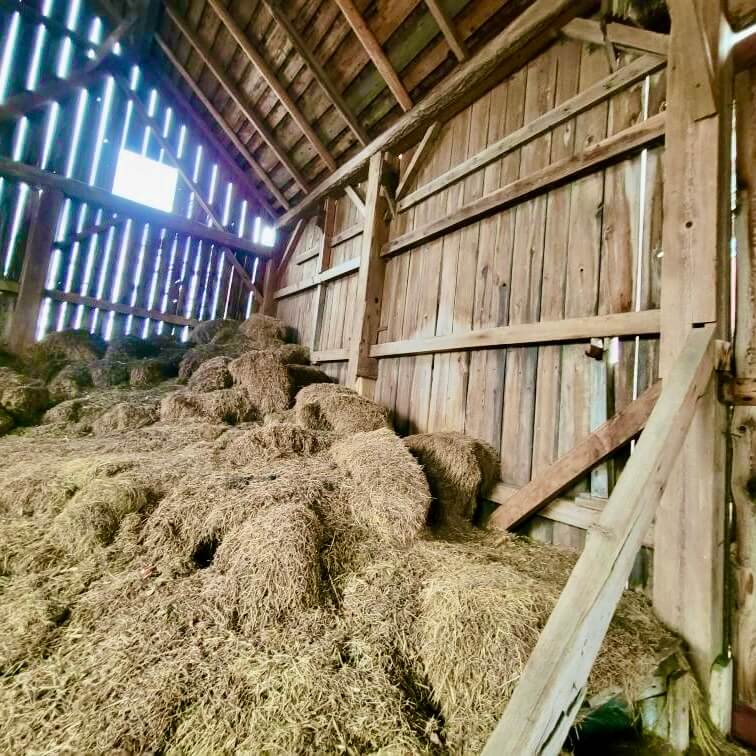
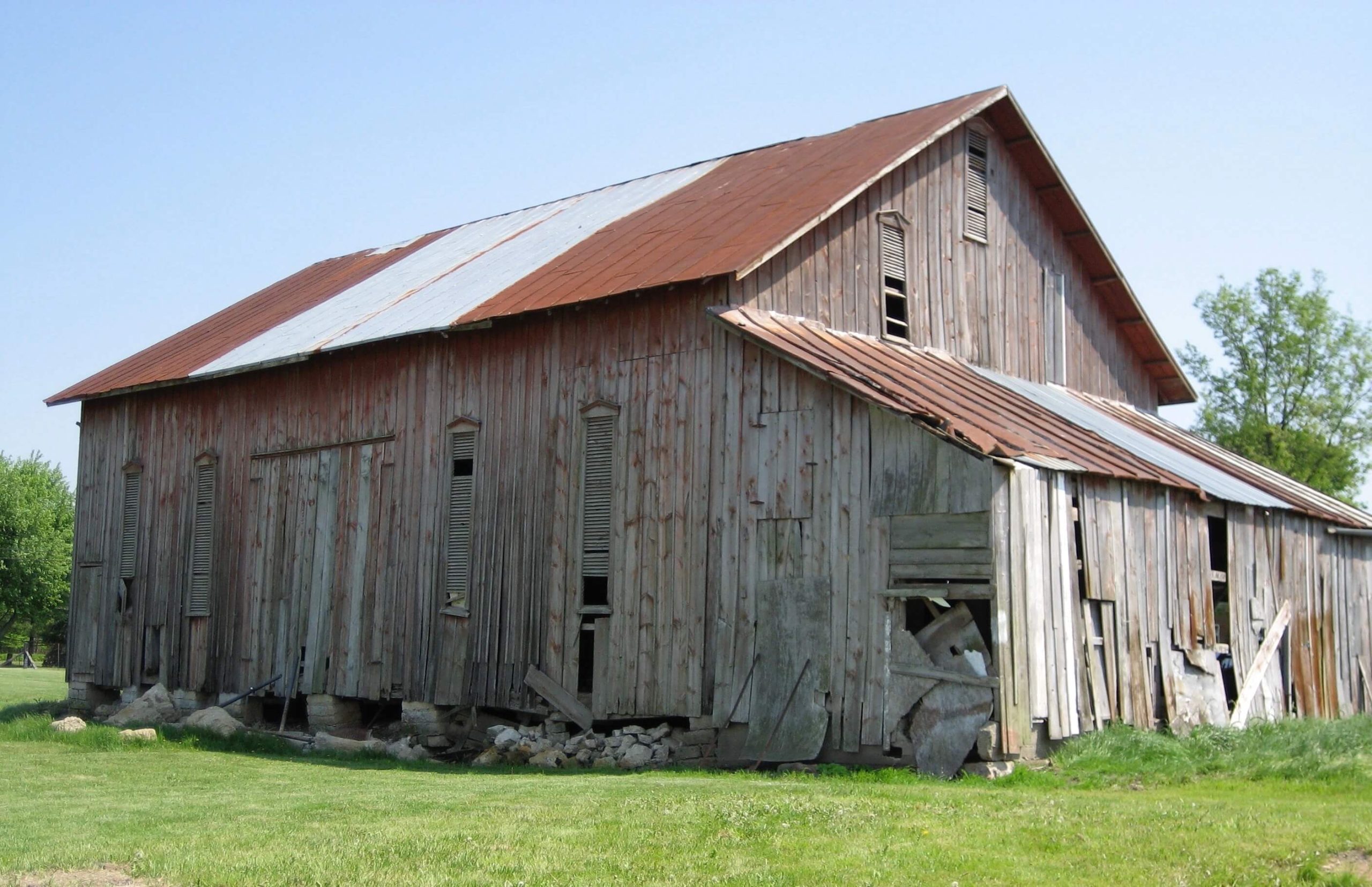
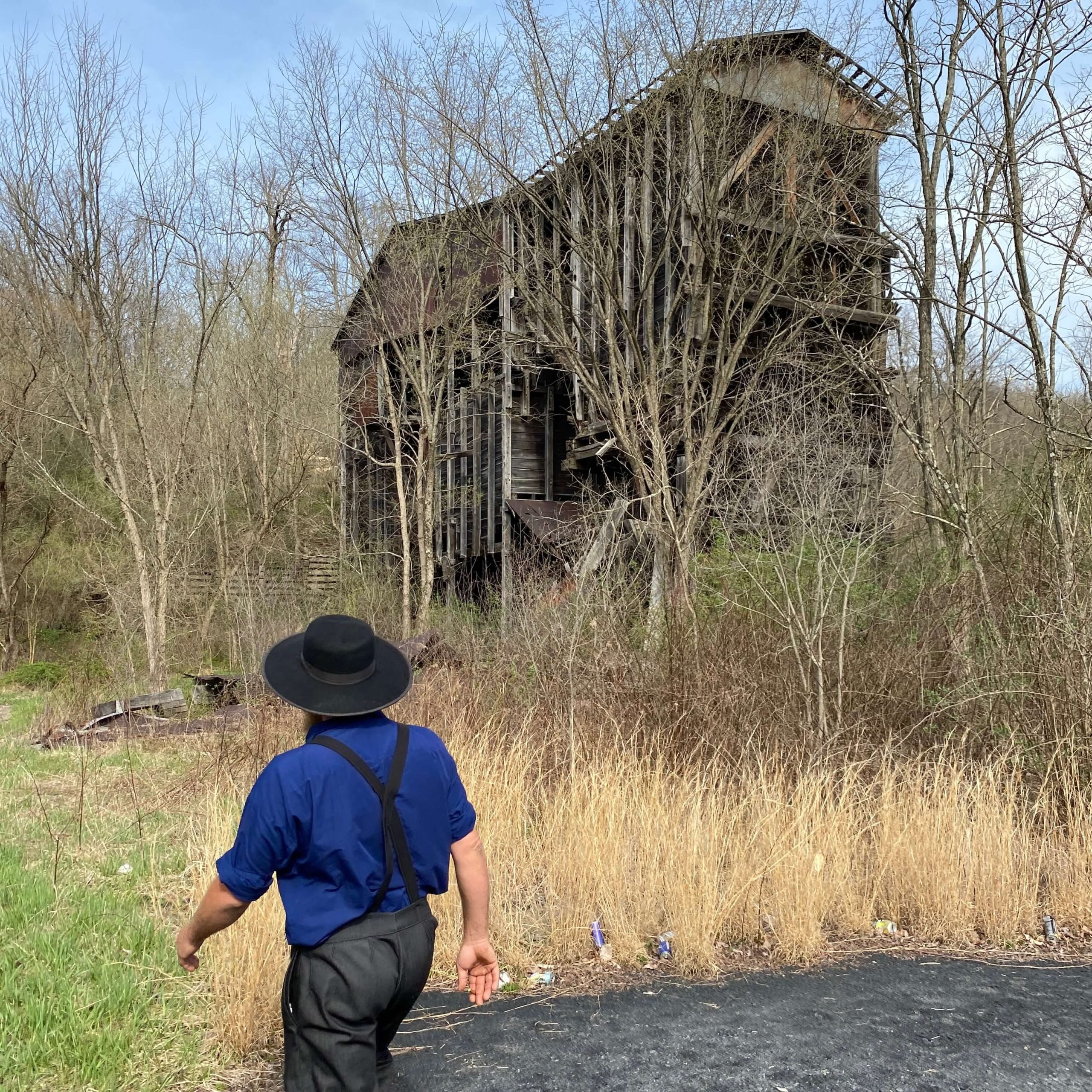
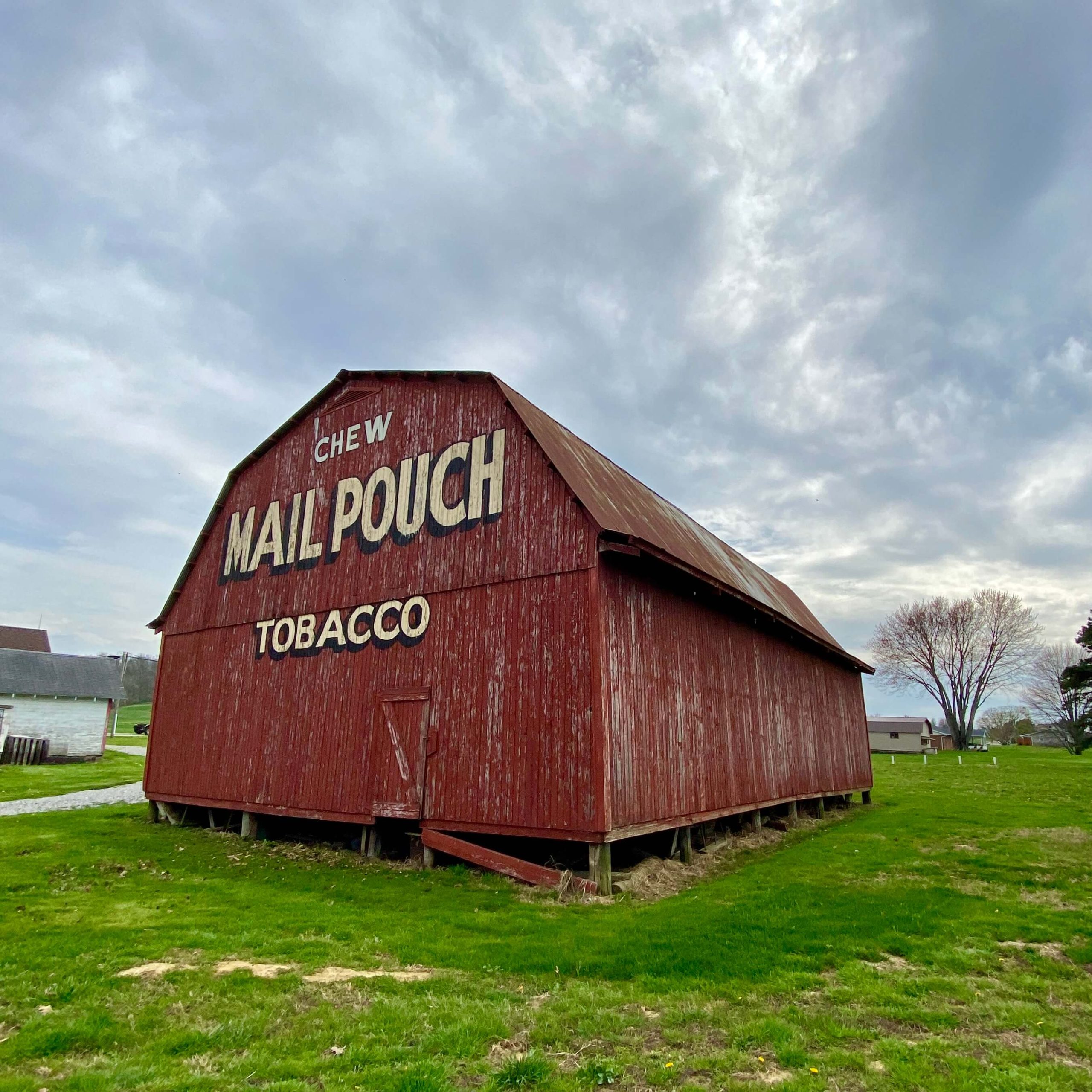
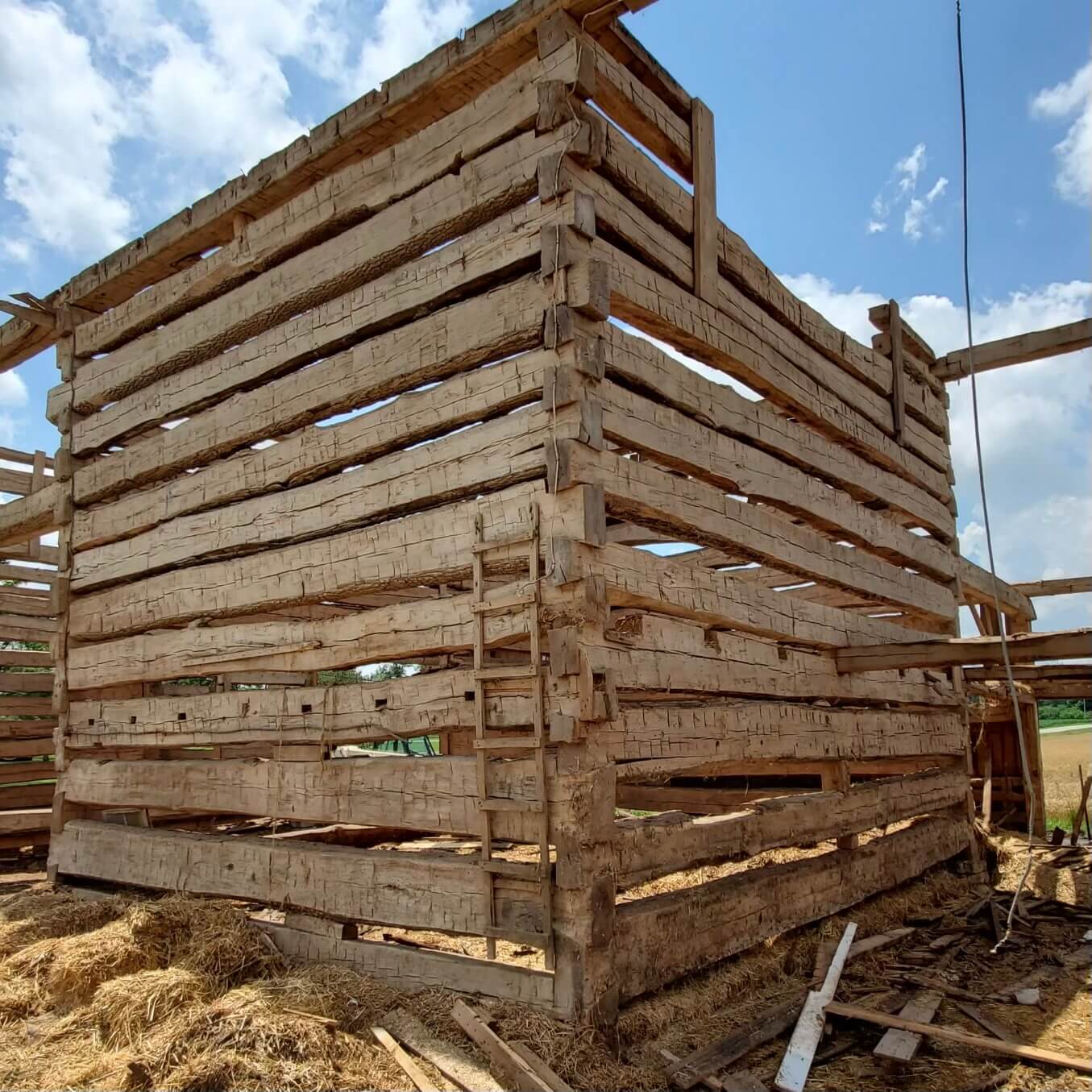
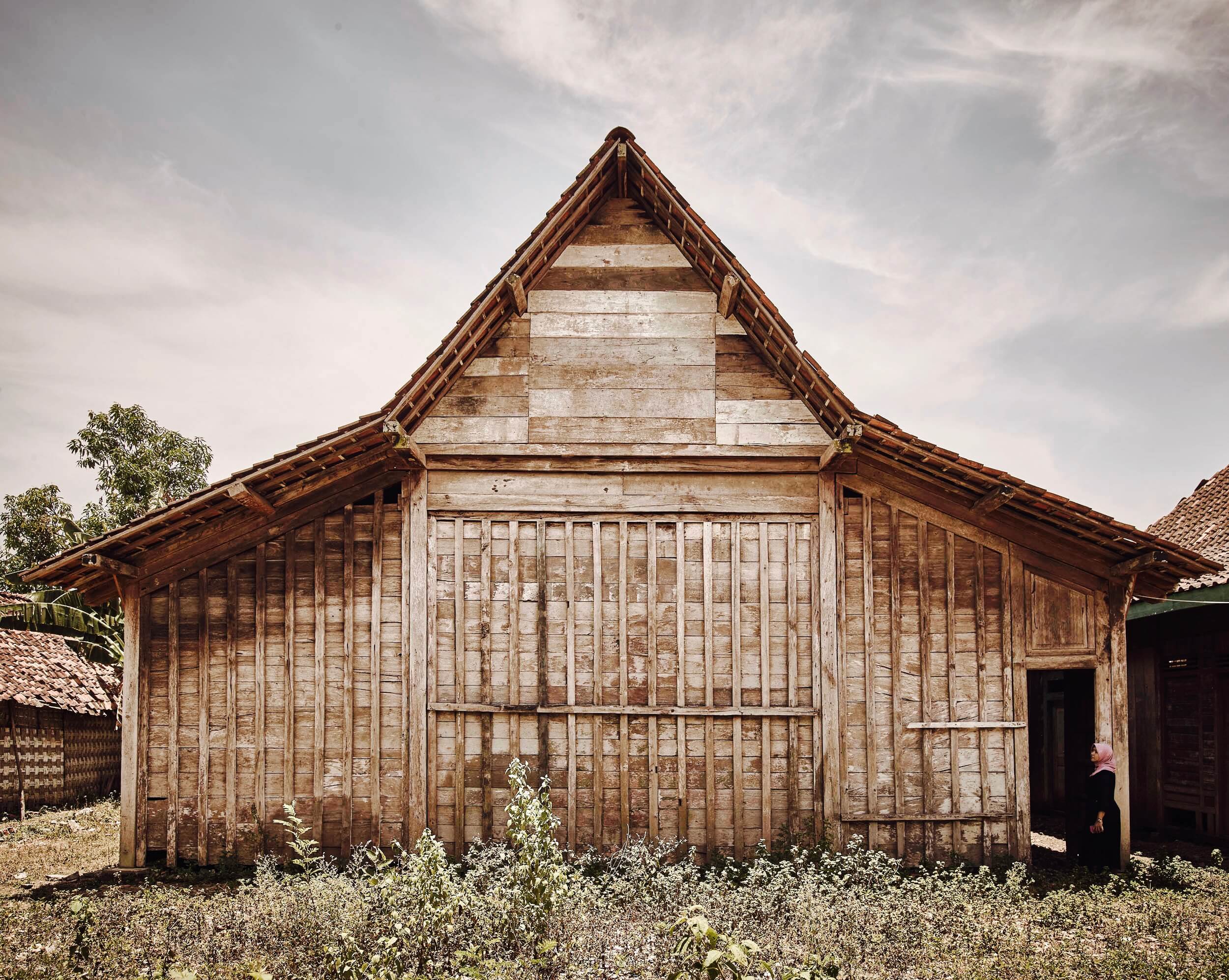
Agricultural sources account for some of the oldest reclaimed material in our inventory, with barns dating back as early as the 1700s, though most originate from the late 19th century. In many cases, the trees harvested on the property were hewn by hand into structural timbers using adzes and broad axes, then assembled into post-and-beam frames with traditional mortise-and-tenon joinery. These structures were built to endure, and many have stood for generations.
As sawmills became more common, sawn timbers gradually replaced their hand-hewn counterparts, allowing for greater uniformity while retaining the scale and durability of earlier construction. The “live-edge” beams we carry were originally used as sleeper beams—set between levels of a barn—hand-hewn flat on two faces and left natural on the remaining edges. Barn exteriors were typically clad in solid one-inch oak boards, commonly referred to as barn siding or barn oak.
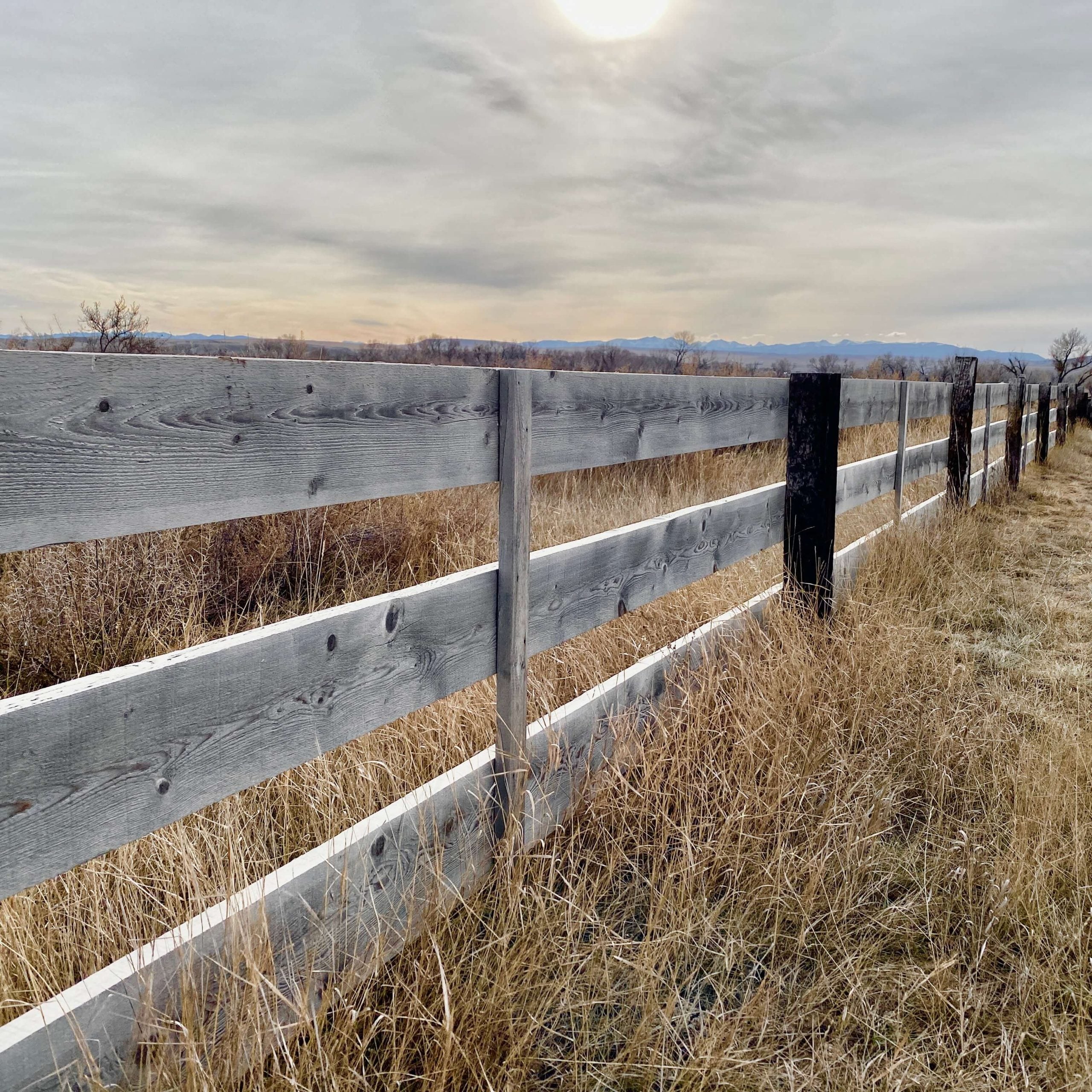
Corrals throughout Montana and Wyoming are a primary source of our weathered gray boards and driftwood planking. These boards often bear the physical record of their use, including shadow lines from overlapping posts, fastener marks, and the occasional edges worn smooth by livestock. Decades of exposure to sun, wind, and seasonal extremes contribute to the distinctive surface texture and coloration that define these materials.
Industrial
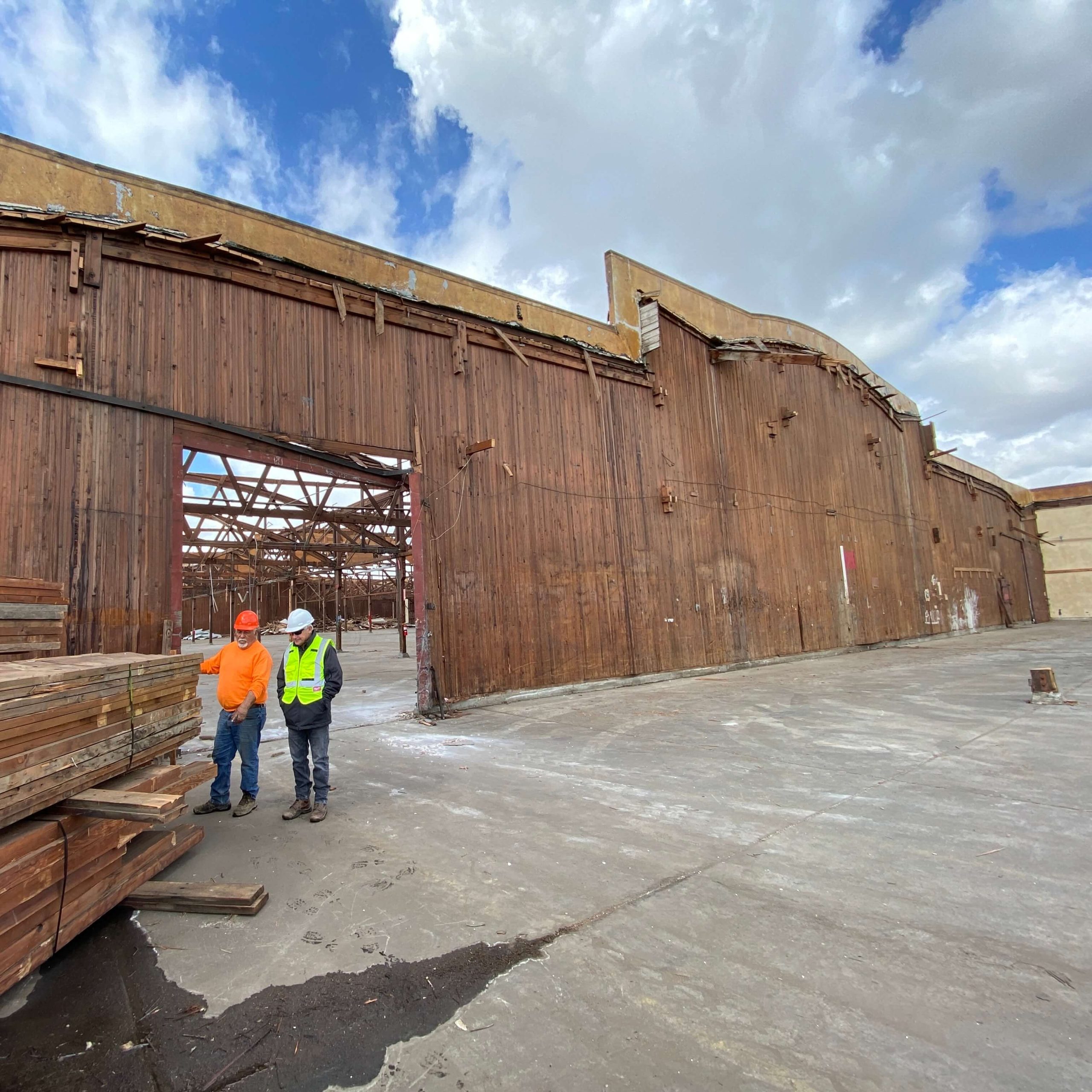
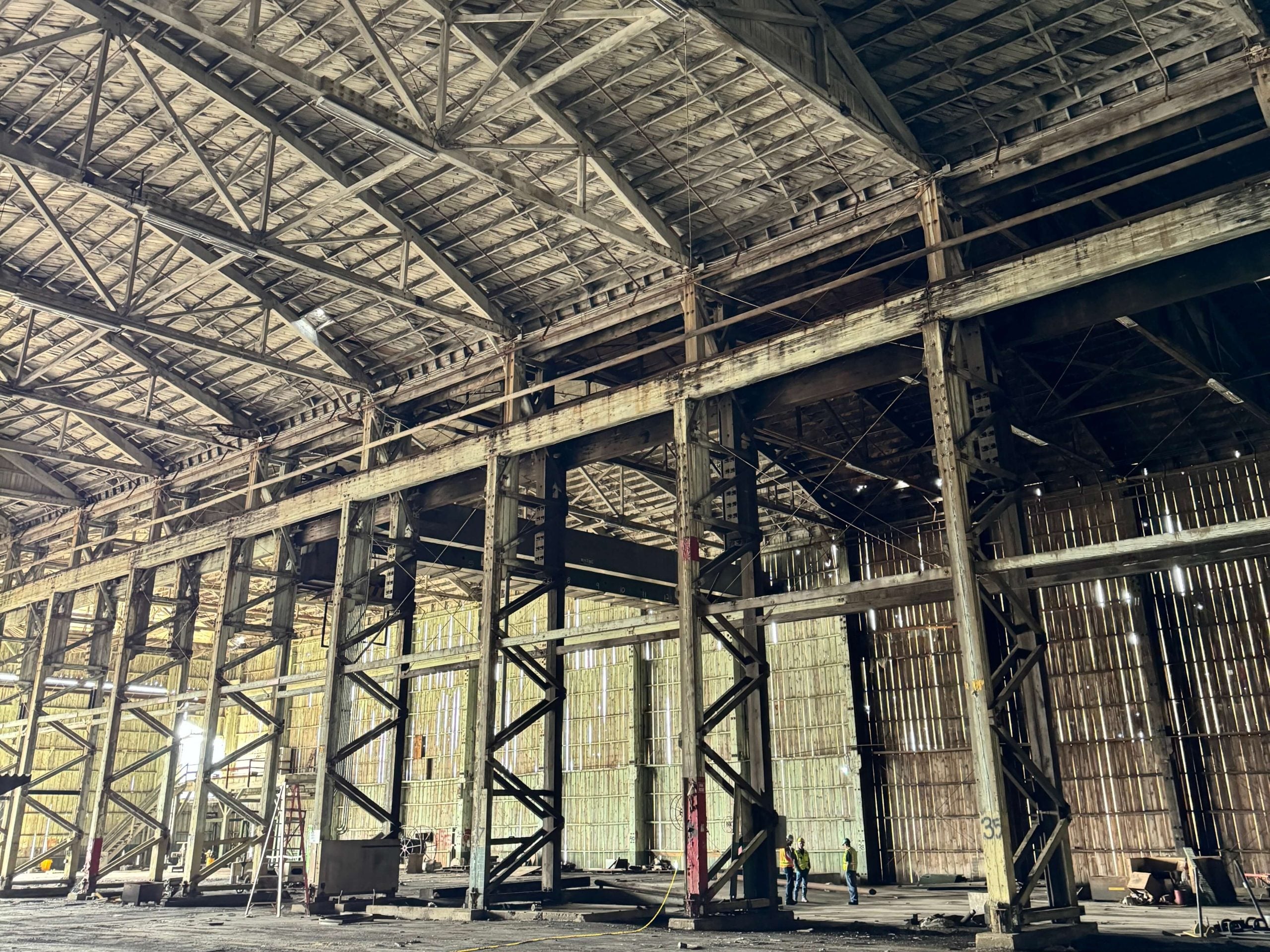
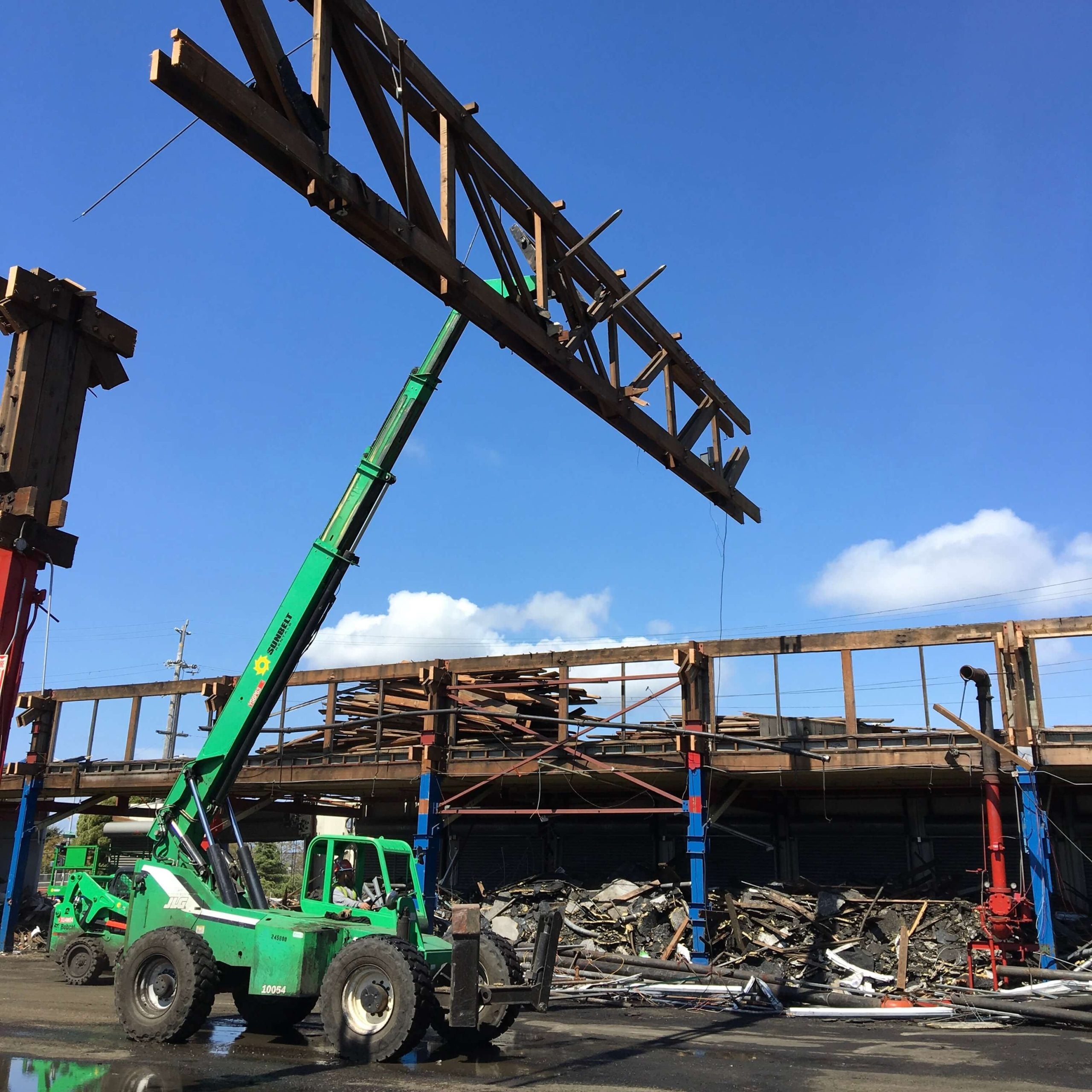
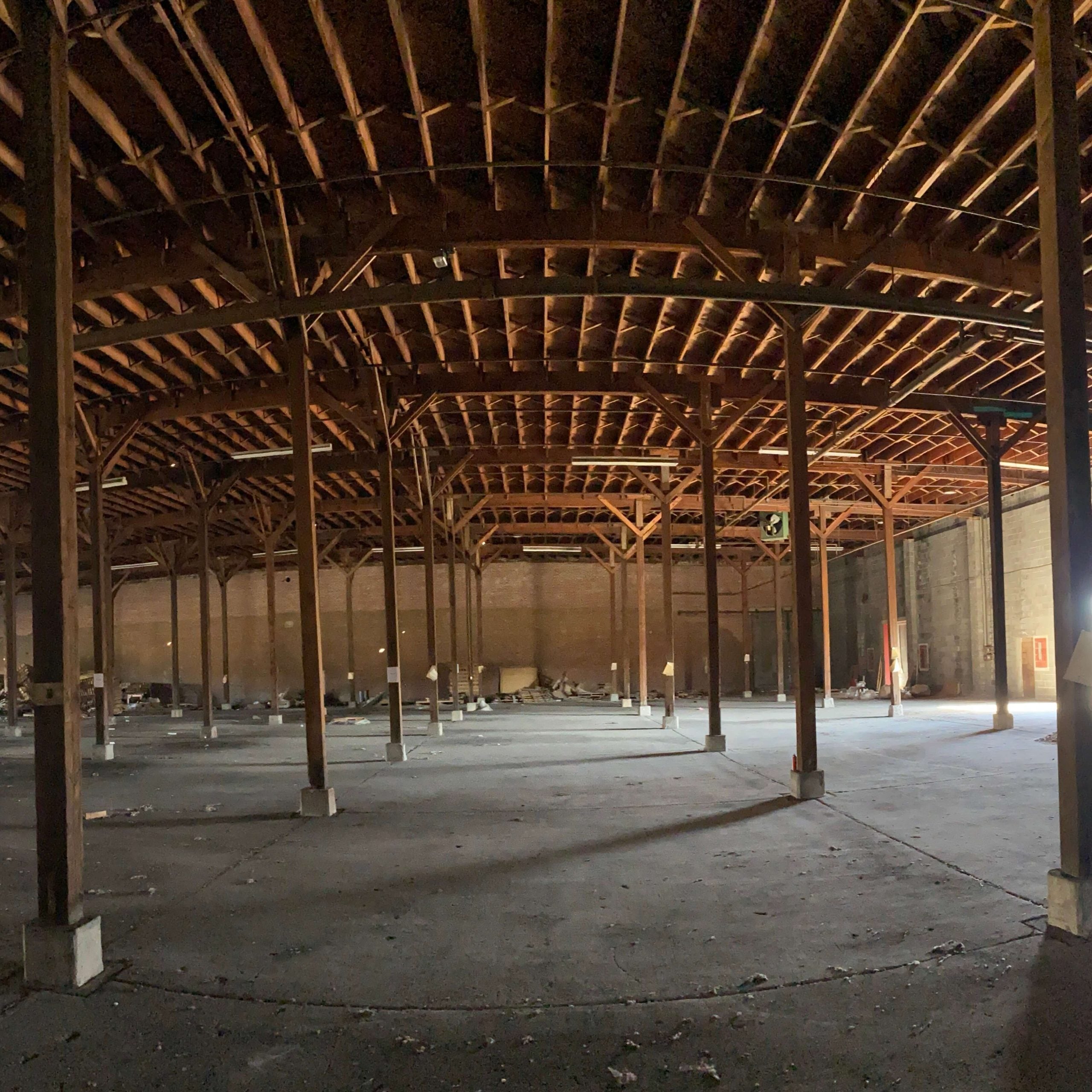
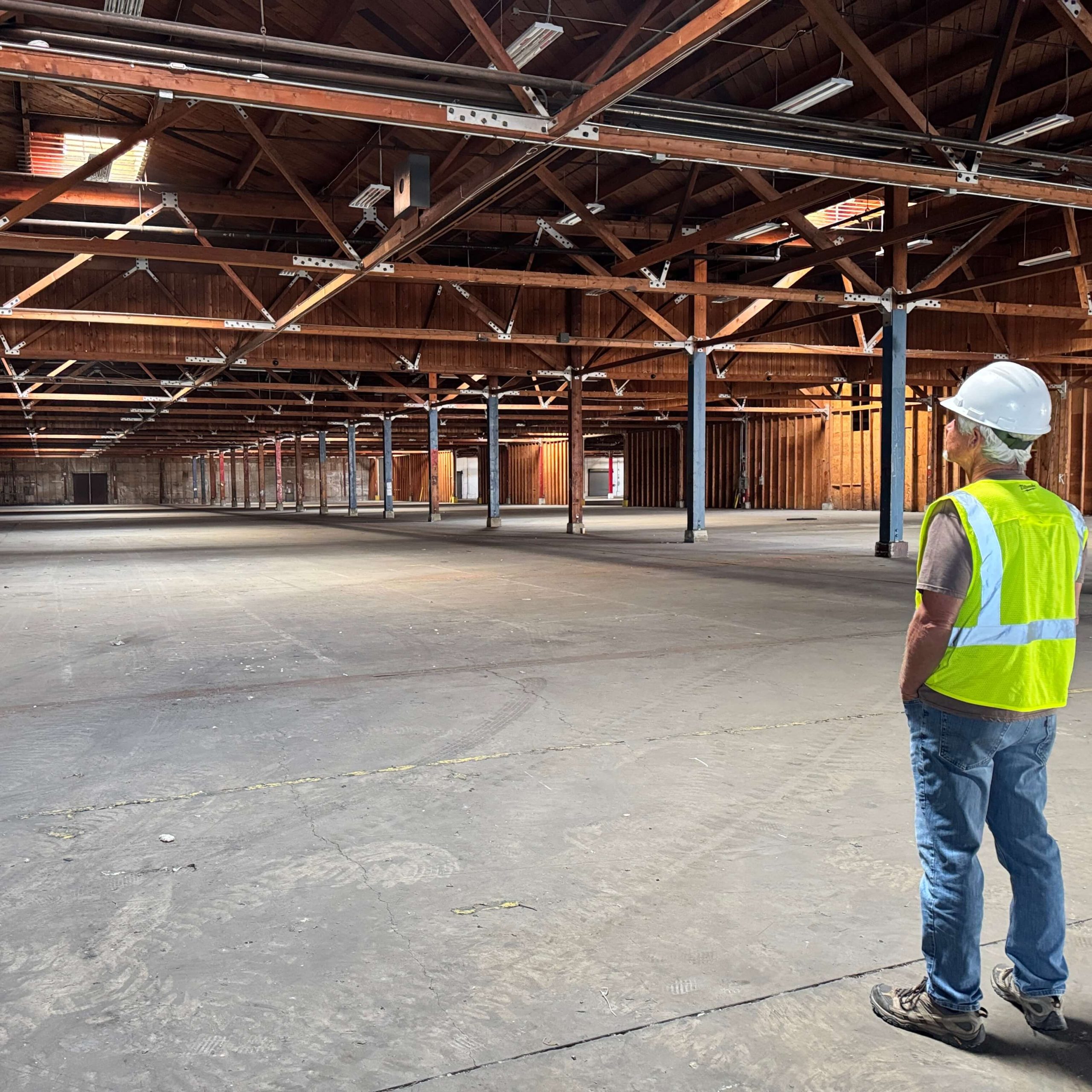
Industrial sources contribute a substantial portion of the largerstructural timbers in our inventory, most commonly Douglas fir beams and rafter stock. These materials were originally milled in rough-sawn or smooth finishes and used in post-and-beam construction before the widespread adoption of glue-laminated timbers and steel I-beams. Many of the solid dimensions represented in this material are difficult or impossible to source in new lumber today.
Harvested from original old-growth forests and air-dried in place over decades of service, these timbers exhibit dense grain structure and core dryness that make them highly stable and well suited for modern construction. Some beams retain original paint or coatings from their prior use; when desired, our mill can remove these surfaces to reveal raw wood with authentic antique character, including seasoning checks, nail holes, and bolt patterns.
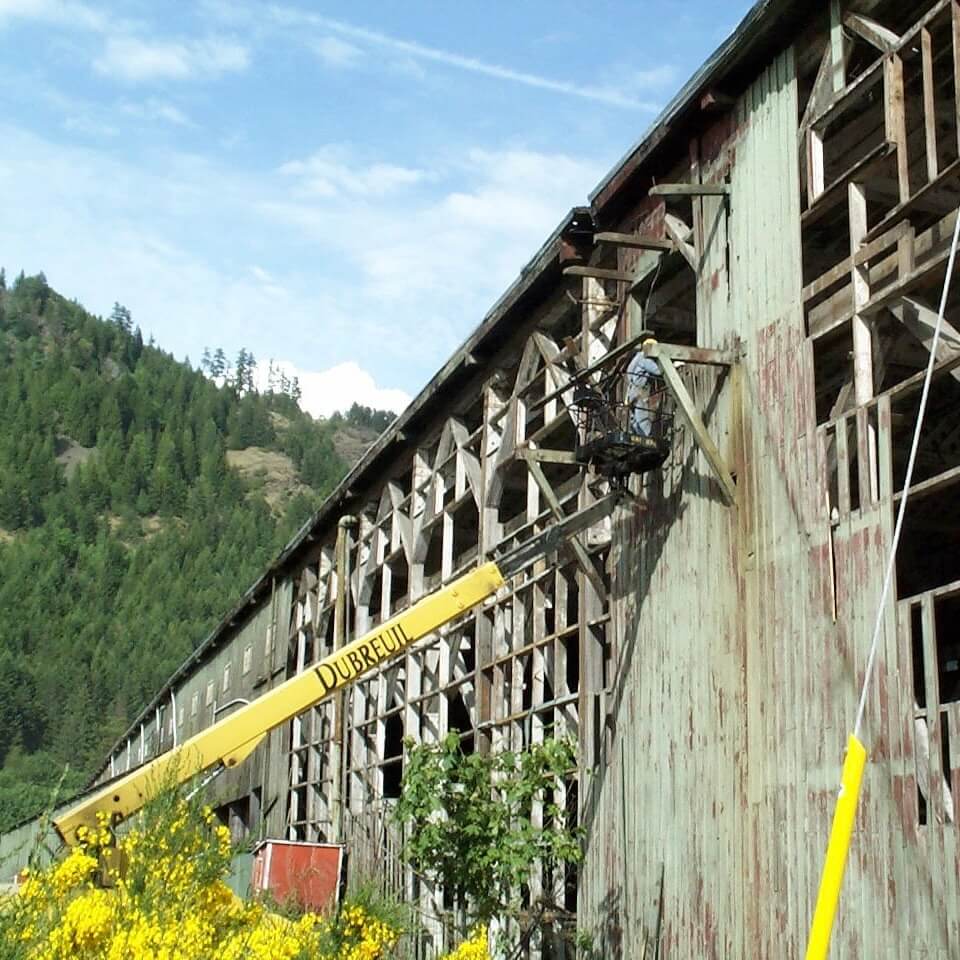
Sourced from industrial buildings nationwide when slated for demolition, these structures often yield a significant volume of reusable material. Select timbers may be evaluated and certified for structural use, allowing them to be incorporated confidently into contemporary building projects.
International
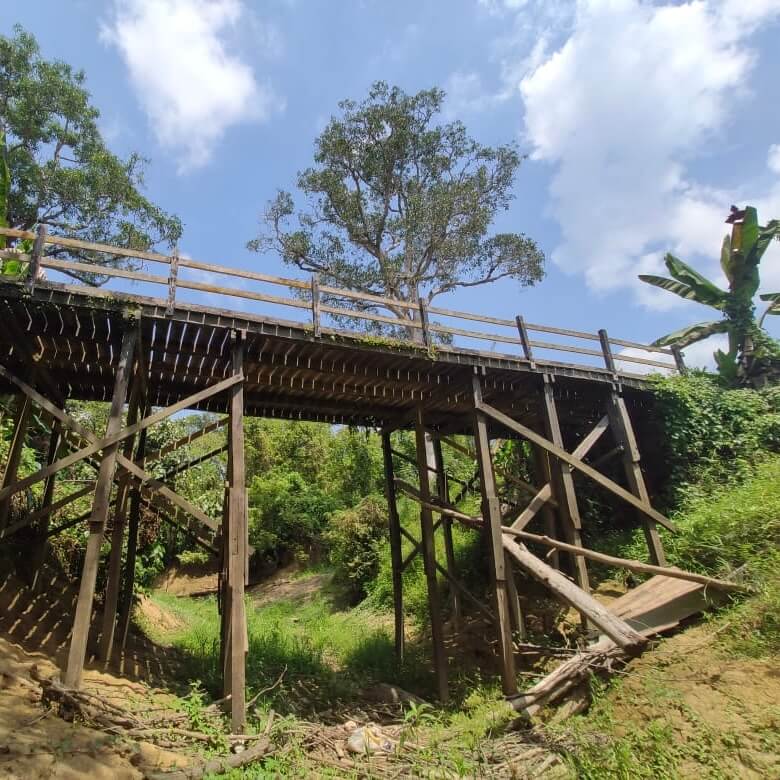
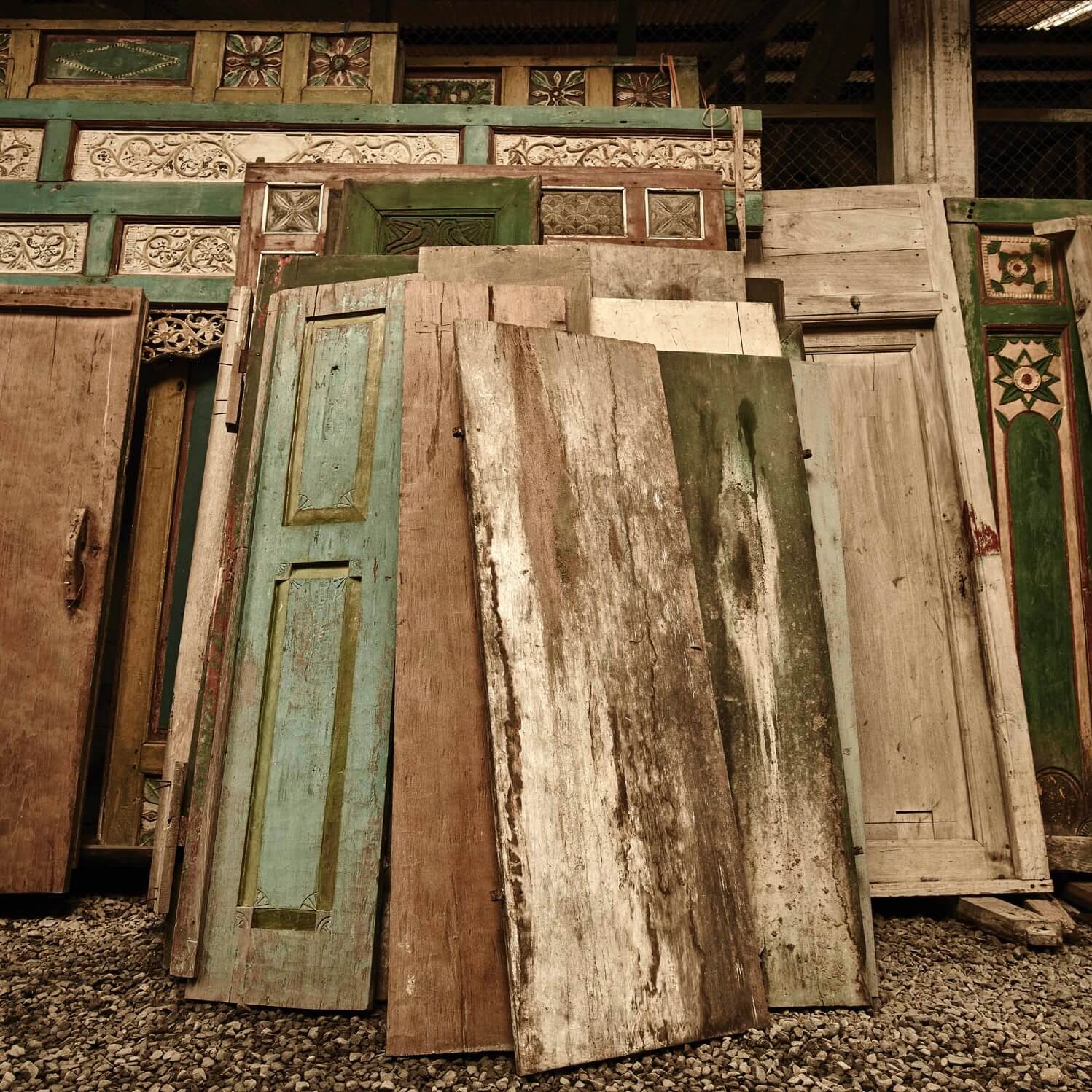
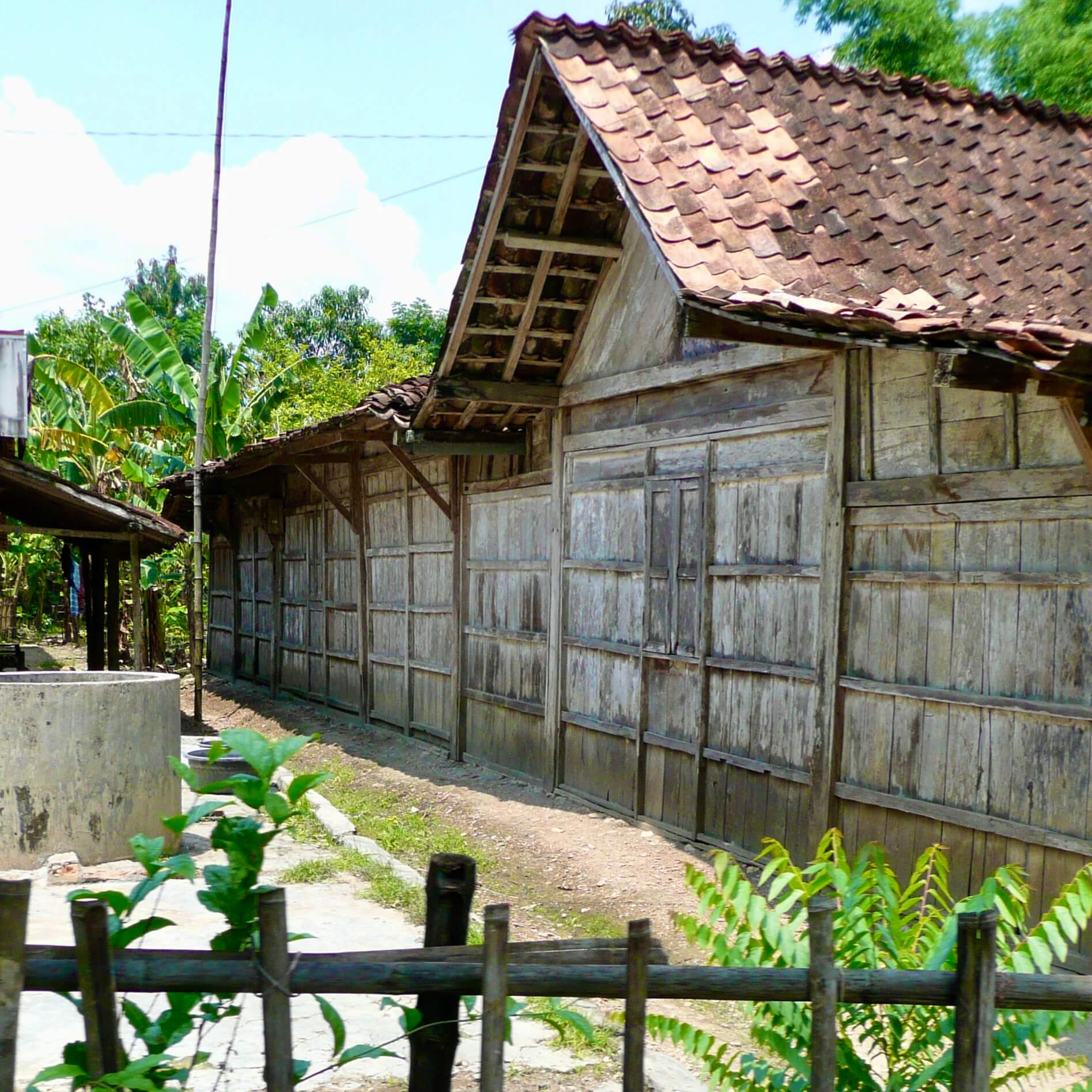
International sources contribute a distinct range of reclaimed hardwoods valued for their durability and performance in demanding environments. Much of our reclaimed teak inventory originates from Southeast Asia, where it was originally used for building siding, boat components, and timber framing. Today, this material is commonly repurposed into flooring and wall cladding, prized for its stability, tight grain, and natural resistance to moisture and decay.
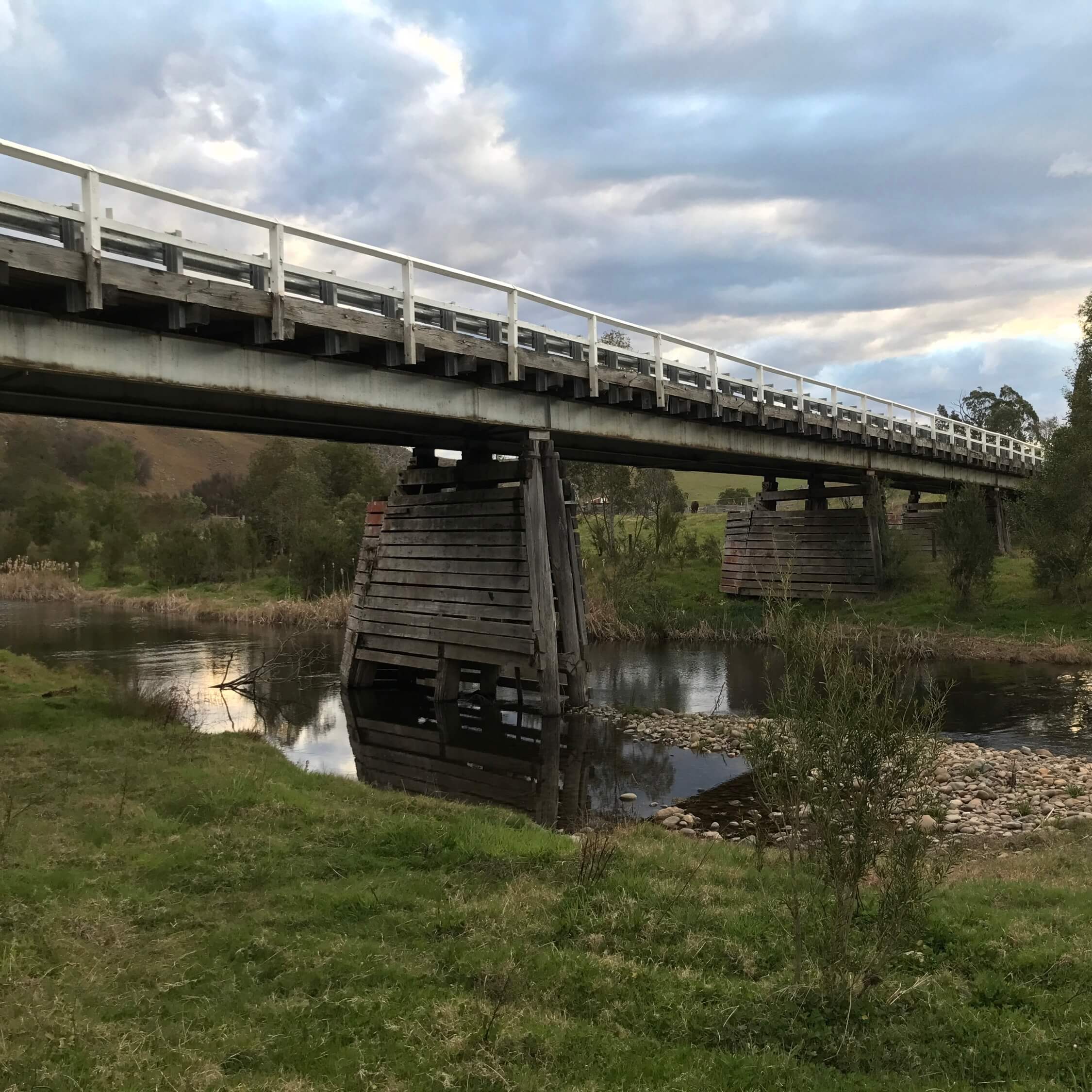
We also carry select quantities of Ulin (often referred to as ironwood) from Borneo, a species known for its exceptional density and longevity. From Australia, our inventory includes reclaimed hardwoods such as Jarrah and Ironbark, much of it salvaged from structures associated with Sydney Harbor. These species are renowned for their resistance to rot, insects, and harsh environmental exposure.
Recovered through responsible reclamation efforts, these international materials reflect the regional building practices and environmental conditions in which they were first used, offering performance characteristics and visual qualities that translate well into modern architectural applications.

ELEVATE YOUR
UPCOMING PROJECT
Please fill out our form below, and we’ll get in touch shortly.